Great Blue Wall report showcases five years of impact on ocean regeneration across the Western Indian Ocean
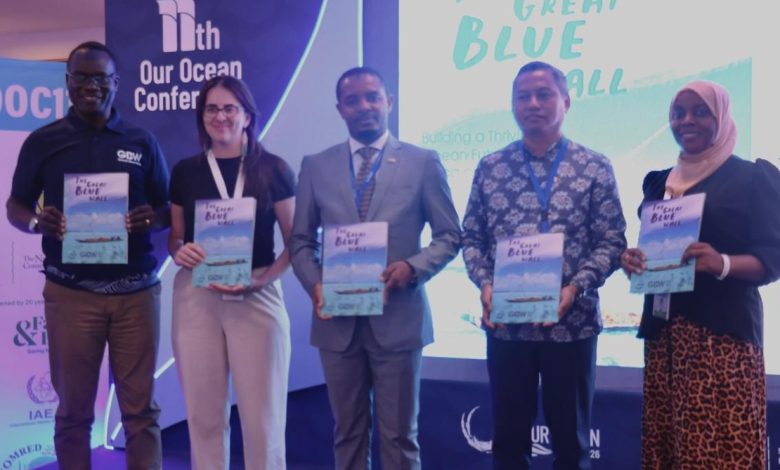
New Delhi ( Vivek Ojha) : At the 11th Our Ocean Conference (OOC11) today, the Great Blue Wall unveiled its first Impact Report (2021–2025). The release comes five years after the launch of an ambitious vision to regenerate ocean ecosystems and strengthen coastal livelihoods across the Western Indian Ocean, and it offers compelling evidence that large-scale ocean regeneration is not only possible, but already underway.
The launch coincides with the first Our Ocean Conference to be held on African soil – a gathering of global leaders in Kenya that puts African‑led solutions front and centre in addressing the interconnected crises of climate change, biodiversity loss, marine pollution, and sustainable development.
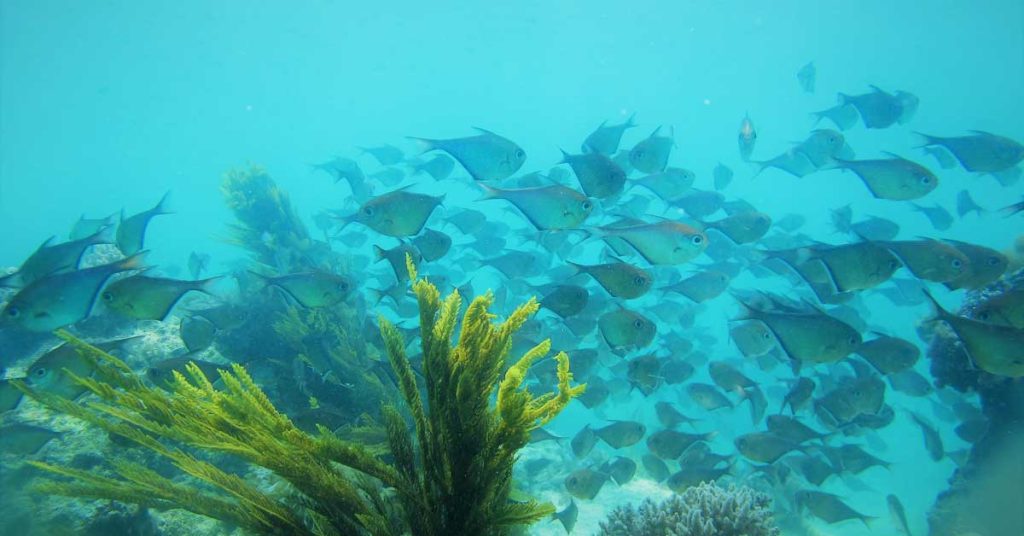
Born in the Western Indian Ocean and inspired by a bold Pan-African vision for ocean regeneration, the Great Blue Wall has evolved from an idea into a growing movement connecting governments, communities, Indigenous Peoples and Local Communities (IPLCs), youth, researchers, civil society organizations, and development partners around a shared ambition of restoring ocean health while improving human well-being.
The report captures the collective achievements of this movement between 2021 and 2025 and demonstrates how investments in nature, communities, and partnerships are delivering measurable benefits for both people and ecosystems.
According to the report, Great Blue Wall partners as mentioned in the report have collectively contributed to supporting more than 83,000 km² of marine and coastal areas, strengthened over 112,000 livelihoods, mobilized more than USD 80 million for conservation and regenerative blue economy action, and supported the protection, restoration, or commitment to protect more than 175,000 hectares of coastal and marine ecosystems.
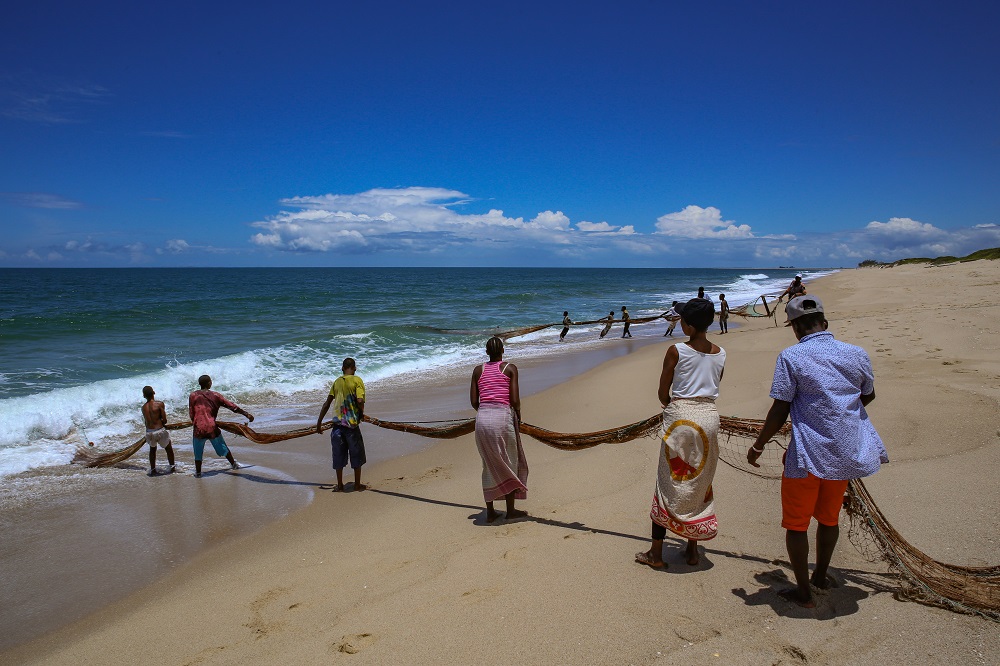
The report further highlights progress in ecosystem restoration, climate resilience, community stewardship, youth leadership, ocean literacy, sustainable livelihoods, and regional cooperation, demonstrating how ocean regeneration can serve as a catalyst for both environmental recovery and socio-economic development.