Why Italy’s Genoa bridge collapse led to one of its biggest criminal trials
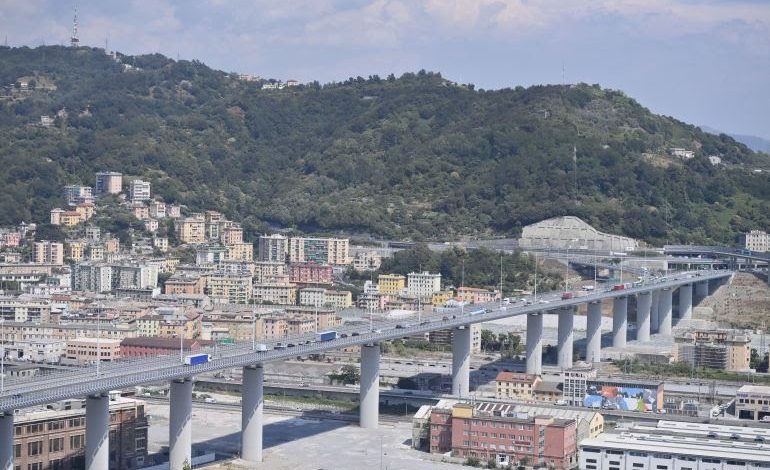
New Delhi ( The Indian View team) : In the northwestern Italian port city of Genoa, one of the deadliest disasters in the country, in 2018, put the spotlight on Italy’s ageing infrastructure – and raised questions about whether the tragedy could have been prevented.
On Thursday, judges in Genoa are set to deliver a verdict in the first trial over the collapse of the Morandi road bridge, which killed 43 people when it gave way on August 14, 2018.
Dozens of defendants face numerous charges as families of the victims await a decision they hope will finally bring some measure of justice, nearly eight years after the disaster.
The 1,182-metre (1,293-yard) structure, which had been dubbed Italy’s “Brooklyn Bridge”, was designed by the architect Riccardo Morandi. Inaugurated in 1967, it went through major reinforcement work in the 1990s.
By the turn of the century, experts continued to warn that the structure was deteriorating, yet critical repairs were never carried out.
What happened to the bridge in 2018?
On August 14 of that year, at about 12pm local time (10:00 GMT), a large, central section of the Morandi bridge gave way to torrential rain, crumbling to pieces and falling some 45 metres (148ft) to the ground.
About 30 cars were on that section of the bridge, with the crossing a key highway between Italy and France and also crucial for nearby port terminals.
Local officials declared a 12-month state of emergency in Genoa and promised 5 million euros ($5.7m) to the rescue efforts.
What caused the bridge’s collapse?
Shortly after the tragedy, attention turned to two factors in the bridge’s disintegration: Its safety maintenance and its design.
Investigations later uncovered that the collapse was triggered by the rupture of the load-bearing cables inside the stay of the bridge’s ninth pillar, which were eaten away by a highly corrosive atmosphere during its 51-year lifespan.
Prosecutors have also alleged that the collapse was caused by years of missed, inadequate or falsified maintenance aimed at delaying necessary repairs for as long as possible while officials continued to pay dividends to shareholders.