
Project Launched on Use of Nuclear Technique to Target New World Screwworm Outbreak in Central America, Mexico and US
New Delhi (Vivek Ojha) : The International Atomic Energy Agency (IAEA) and Food and Agriculture Organization of the United Nations (FAO), through their Joint FAO/IAEA Centre of Nuclear Techniques in Food and Agriculture, are stepping up efforts to tackle the re-emergence of New World screwworm in Central America, Mexico and the United States through the application of a nuclear technique, as detections increase and emergency response efforts seek to contain the livestock pest.
What is New World screwworm :
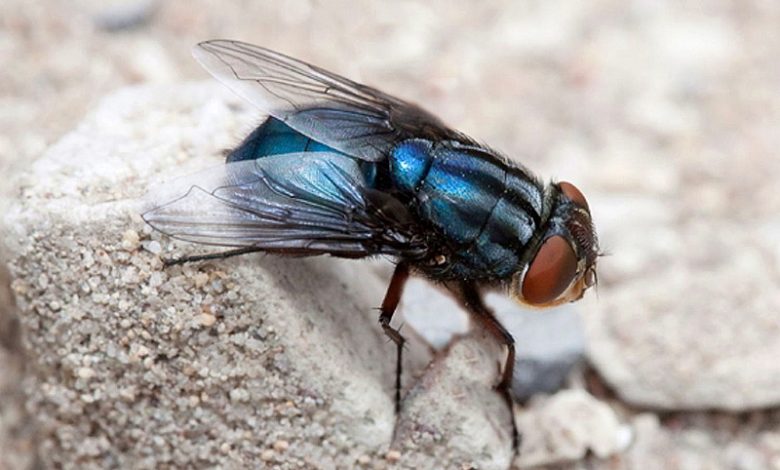
The New World screwworm (NWS) is a parasitic fly whose larvae infest warm-blooded animals. Female flies lay eggs in open wounds or mucous membranes of warm-blooded animals; once hatched, the larvae burrow into living tissue, enlarging wounds and causing infections that can be fatal if untreated. The IAEA Coordinated Research Project (CRP) launched this week will help countries use the sterile insect technique capacity to halt the NWS’s re-invasion.
What is Sterile insect technique (SIT) :
The sterile insect technique (SIT) uses radiation to sterilize insects, which are then released to mate with wild populations and produce no offspring, helping suppress pest populations over time. The SIT was central to the eradication of NWS from the US, Mexico and Central America, when a 45-year campaign eradicated the pest from the US in 1982 down to Panama in 2006, with a sterile insect barrier remaining in the Darién Gap in Southern Panama. The barrier was effective until 2022 containing the spread of the fly towards the eradicated area.
Infestations can kill animals and reduce milk and meat production. The previous eradication was estimated to have generated annual benefits of US $1.3 billion for livestock producers in the US, Mexico and Central America.