
Healing was possible’: Shaan’s wife Radhika Mukherji on battling depression; expert weighs in

New Delhi ( The Indian View team) :
Conversations around mental health have gradually become more open in recent years. However, many people still struggle silently with emotional difficulties, often feeling pressure to appear strong or ‘normal’ while dealing with them. Entrepreneur and mental health advocate Radhika Mukherji, who is also Bollywood playback singer Shaan’s wife, recently shared a deeply personal reflection on social media, opening up about her experience with depression and the role support systems played in helping her through it.
Marking her birthday with an emotional post, she wrote, “Thank you everyone for the beautiful birthday wishes, the love, the calls, the messages and the warmth. I felt every bit of it. This year feels different. Personal. Powerful. Full circle.”
What is depression: Depressive disorder (also known as depression) is a common mental disorder. It involves a depressed mood or loss of pleasure or interest in activities for long periods of time. Depression is different from regular mood changes and feelings about everyday life. It can affect all aspects of life, including relationships with family, friends and community. It can result from or lead to problems at school and at work.
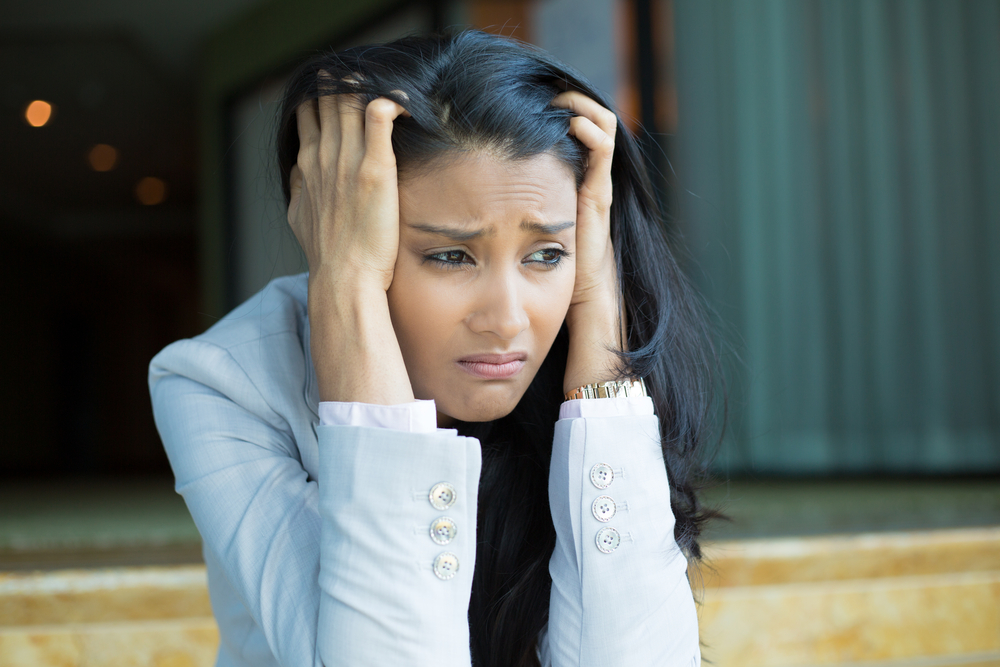
Depression can happen to anyone. People who have lived through abuse, severe losses or other stressful events are more likely to develop depression. Women are more likely to have depression than men.
Symptoms and patterns :
During a depressive episode, a person experiences a depressed mood (feeling sad, irritable, empty). They may feel a loss of pleasure or interest in activities. A depressive episode is different from regular mood fluctuations. They last most of the day, nearly every day, for at least two weeks.
Other symptoms are also present, which may include:
poor concentration
feelings of excessive guilt or low self-worth
hopelessness about the future
thoughts about dying or suicide
disrupted sleep
changes in appetite or weight
feeling very tired or low in energy.
Contributing factors and prevention :
Depression results from a complex interaction of social, psychological, and biological factors. People who have gone through adverse life events(unemployment, bereavement, traumatic events) are more likely to develop depression. Depression can, in turn, lead to more stress and dysfunction and worsen the affected person’s life situation and the depression itself.
Depression is closely related to and affected by physical health. Many of the factors that influence depression (such as physical inactivity or harmful use of alcohol) are also known risk factors for diseases such as cardiovascular disease, cancer, diabetes and respiratory diseases. In turn, people with these diseases may also find themselves experiencing depression due to the difficulties associated with managing their condition.
Diagnosis and treatment :
There are effective treatments for depression. These include psychological treatment and medications. Seek care if you have symptoms of depression. Psychological treatments are the first treatments for depression. They can be combined with antidepressant medications in moderate and severe depression. Antidepressant medications are not needed for mild depression.
Psychological treatments can teach new ways of thinking, coping or relating to others. They may include talk therapy with professionals and supervised lay therapists. Talk therapy can happen in person or online. Psychological treatments may be accessed through self-help manuals, websites and apps.
Effective psychological treatments for depression include:
behavioural activation
cognitive behavioural therapy
interpersonal psychotherapy
problem-solving therapy.
Antidepressant medications include selective serotonin reuptake inhibitors (SSRIs), such as fluoxetine. Health-care providers should keep in mind the possible adverse effects associated with antidepressant medication, the ability to deliver either intervention (in terms of expertise, and/or treatment availability), and individual preferences.
Antidepressants should not be used for treating depression in children and are not the first line of treatment in adolescents, among whom they should be used with extra caution. Different medications and treatments are used for bipolar disorder.
Self-care : Self-care can play an important role in managing symptoms of depression and promoting overall well-being.
What you can do:
try to keep doing activities you used to enjoystay connected to friends and family exercise regularly, even if it’s just a short walkstick to regular eating and sleeping habits as much as possible
avoid or cut down on alcohol and don’t use illicit drugs, which can make depression worsetalk to someone you trust about your feelings seek help from a healthcare provider.
If you have thoughts of suicide:
remember you are not alone, and that many people have gone through what you’re experiencing and found helptalk to someone you trust about how you feeltalk to a health worker, such as a doctor or counsellorjoin a support group.If you think you are in immediate danger of harming yourself, contact any available emergency services or a crisis line.