Ebola outbreak in Central Africa declared a Public Health Emergency of International Concern
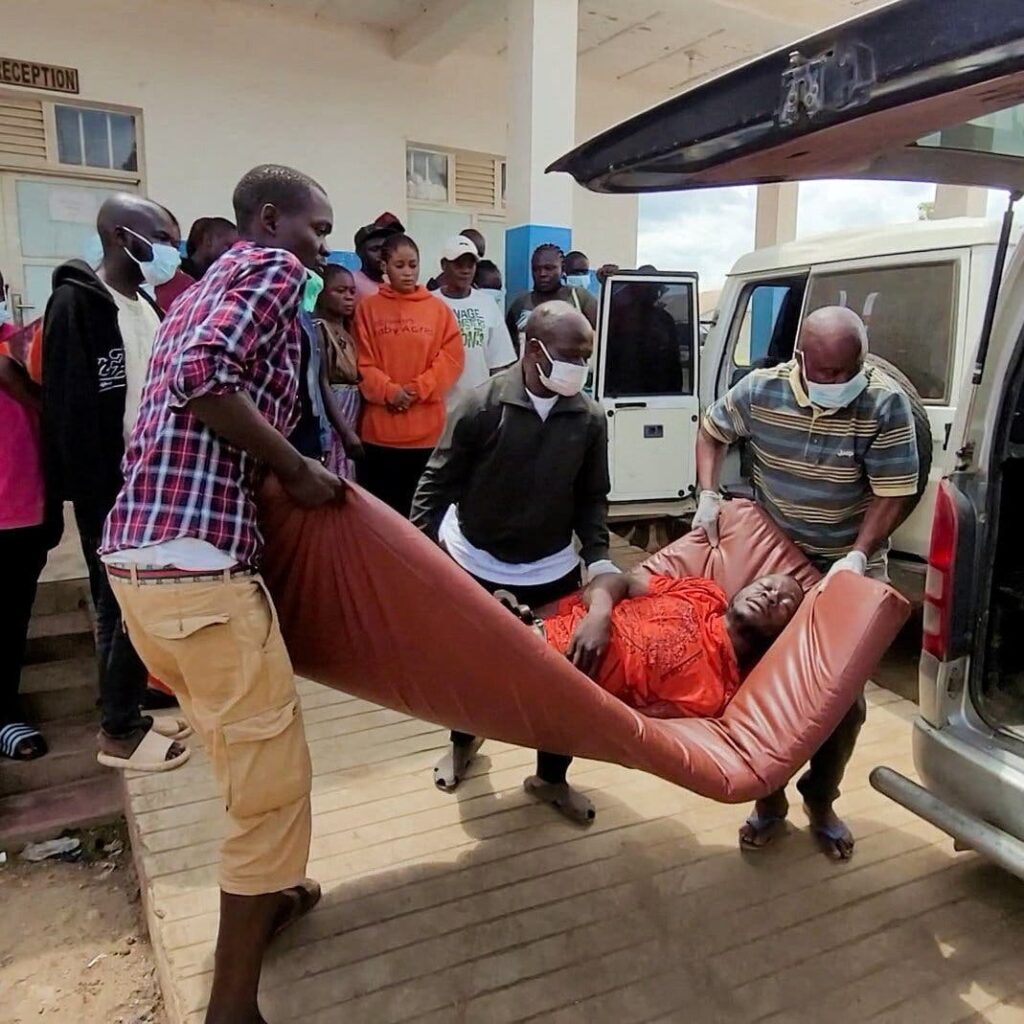
International Affairs ( Congo) : The World Health Organization (WHO) has declared the ongoing Ebola outbreak in the Democratic Republic of the Congo (DRC) and Uganda a Public Health Emergency of International Concern, citing rising cases, cross-border spread and significant uncertainties about the scale of the epidemic.
The decision, announced by WHO Director-General Tedros Ghebreyesus on Sunday, follows reports of both confirmed and suspected infections linked to the Bundibugyo strain of the virus. While the situation is serious, it does not currently meet the criteria for a pandemic emergency under the WHO’s International Health Regulations.
As of 16 May, health authorities had recorded eight laboratory-confirmed cases, 246 suspected cases and 80 suspected deaths in Ituri Province in eastern DRC. As of 16 May, health authorities had recorded eight laboratory-confirmed cases, 246 suspected cases and 80 suspected deaths in Ituri Province in eastern DRC.
What is Ebola:
Ebola disease is caused by a group of viruses, known as orthoebolaviruses. It affects both humans and animals and spreads through close contact with infected bodily fluids or contaminated materials.The disease was first identified in 1976 during outbreaks in Zaire, which is now the Democratic Republic of the Congo (DRC) and Sudan (now South Sudan).
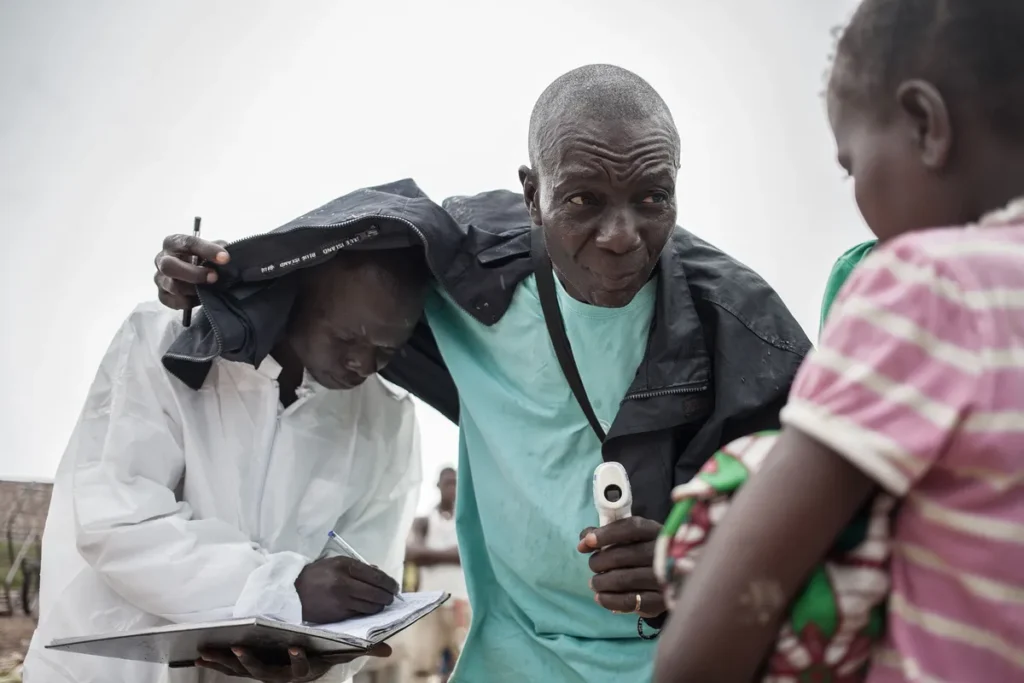
Between 1979 and 1994, no human cases or outbreaks were reported. Since 1994 however, intermittent outbreaks have occurred including the large outbreak in West Africa between 2014 and 2016. Several outbreaks have occurred since then in recent years. On 17 May 2026, the World Health Organization (WHO) declared a public health emergency of international concern for an Ebola disease outbreak, caused by Bundibugyo virus, affecting the Democratic Republic of the Congo and Uganda.
What are the symptoms of Ebola?
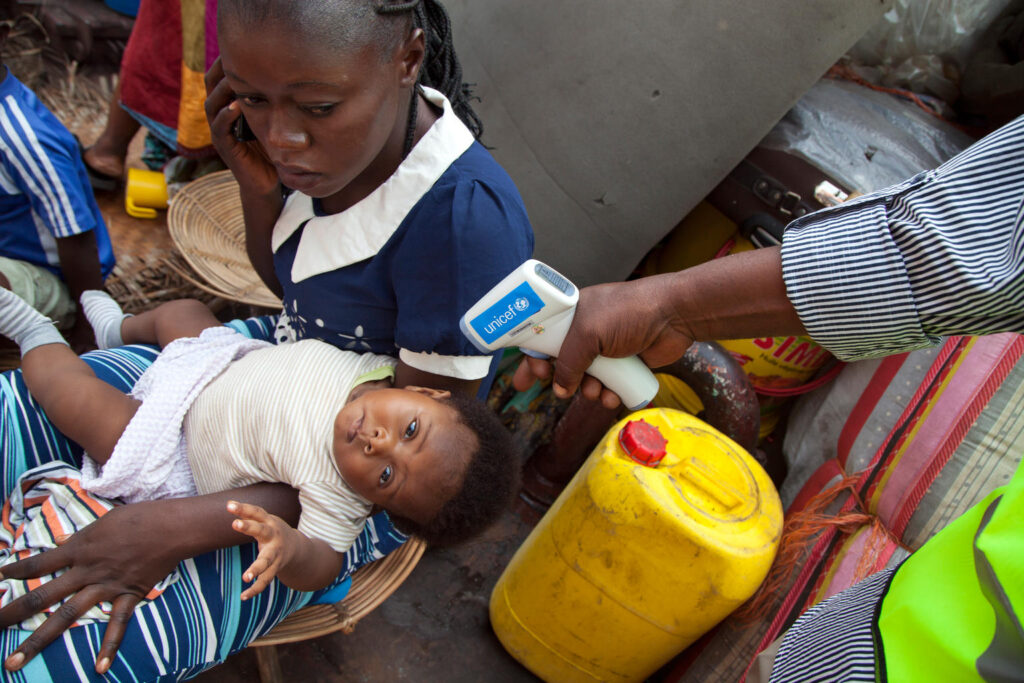
Symptoms of Ebola can appear suddenly between 2 and 21 days after being infected. Initially symptoms are flu-like, and can include a high temperature, extreme tiredness, muscle aches, sore throat and a headache.Other symptoms that can follow include vomiting, diarrhoea and stomach pain, a skin rash, bruising and yellowing of the skin and eyes. In more severe cases, Ebola can cause bleeding as it progresses. This may include blood in poo and bleeding from different parts of the body.
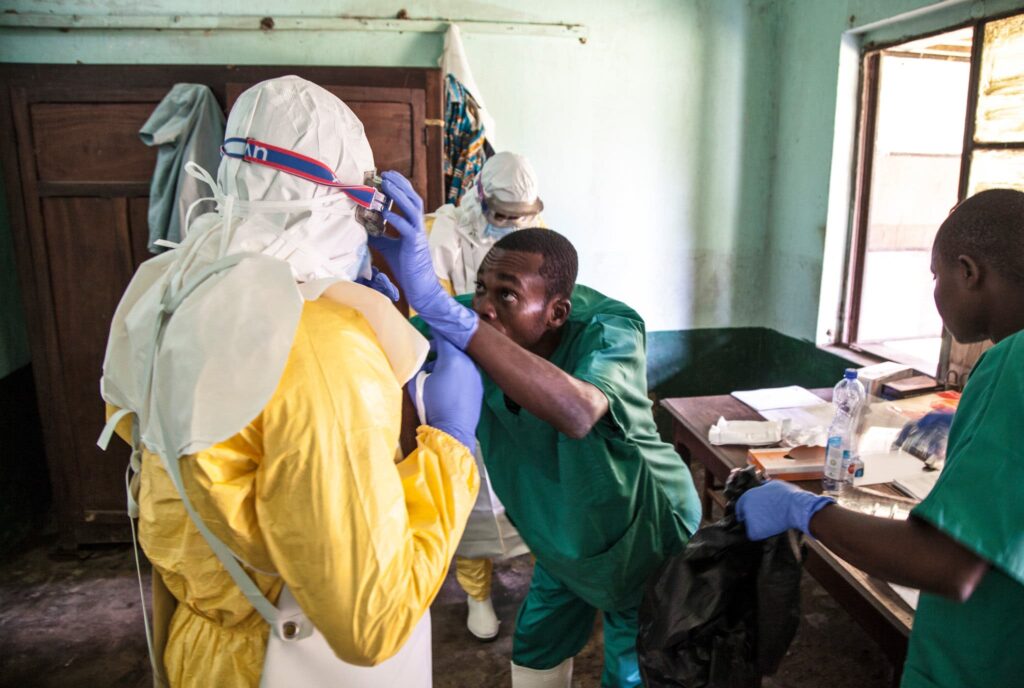
Ebola only spreads through close contact. The spread, or transmission, of Ebola happens person-to-person, through contact with the body fluids of an infected, sick or dead person. In rare cases, people can become infected through contact with an infected animal, like a bat or non-human primate in a country where animals carry the virus.Importantly, infected people can only spread the virus once symptoms start and it is not spread during the incubation period before symptoms begin.
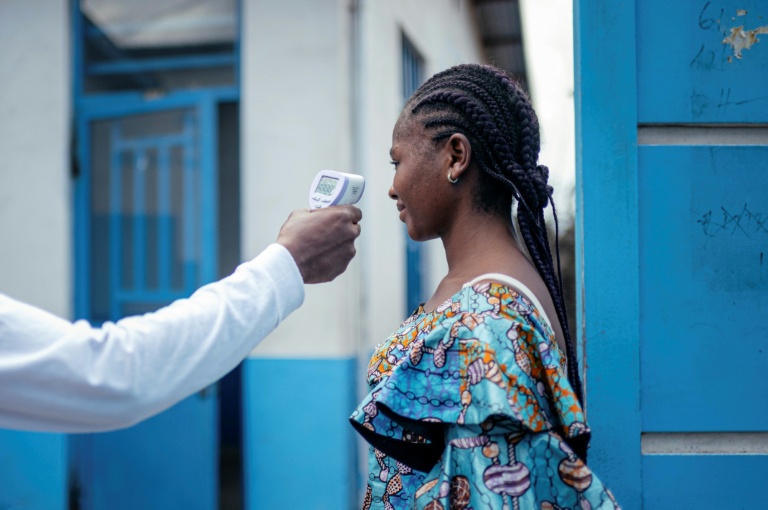
How serious is Ebola? :
Ebola is a rare but serious disease that can sometimes be fatal to humans.The average Ebola disease case fatality rate is around 50% . Case fatality rates have varied from 25–90% in past outbreaks.