The hidden health risk in your daily rice and roti
New Delhi ( The Indian View team) :
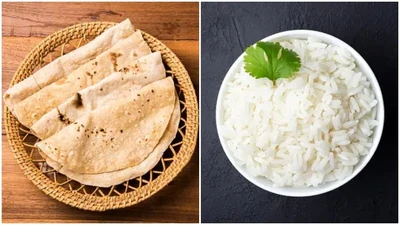
Rice at lunch, rotis at dinner. For millions of Indians, these staples are not just food choices, they are a daily routine repeated across households, offices, schools and roadside eateries. But health experts are now raising concerns that the very foods dominating Indian plates may not be as nutritious as they once were.
According to findings highlighted in the latest annual report by the Indian Council of Agricultural Research (ICAR), the nutritional value of high-yielding varieties (HYVs) of rice and wheat has declined over the decades, while the concentration of toxic elements such as arsenic in rice has increased.
The findings are based on an analysis of 528 food samples collected from six regions across India and compared with older nutritional data from 1989.
Doctors and nutrition experts warn that this is not just an agriculture issue. It could gradually become a public health concern in a country where rice and wheat form the backbone of everyday diets.
Rice is particularly vulnerable to absorbing arsenic because it is grown in water-flooded conditions. Long-term exposure to arsenic has been linked to a higher risks of cardiovascular disease, neurological disorders, respiratory illnesses and certain cancers.
Boiling rice in extra water and draining the excess water afterward is one method that has been observed to help reduce arsenic content.