
4 lakh Yaba tablets worth ₹47 crore seized in Manipur, one held
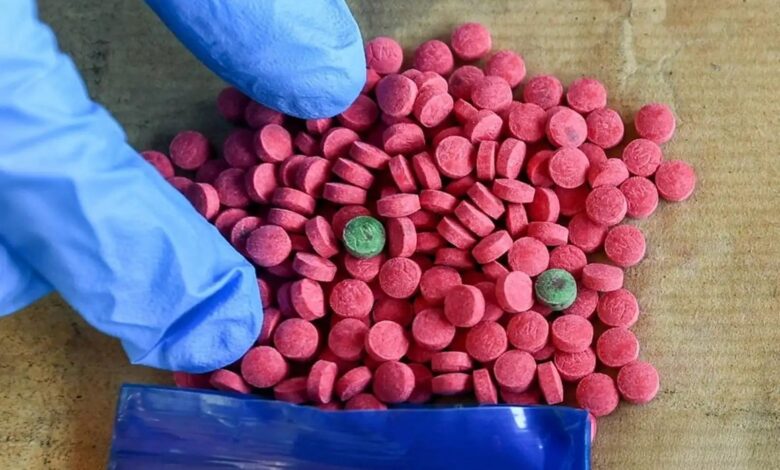
New Delhi ( Vivek Ojha ) : Drug Trafficking as an organized crime has been a serious matter of concern for north east Indian states. Recently, The Assam Rifles, in a joint operation with Manipur Police, the Central Reserve Police Force (CRPF) and the India Reserve Battalion (IRB), seized 4 lakh Yaba tablets valued at approximately Rs 47 crore in Manipur’s Jiribam district on Thursday evening. One person was arrested in this connection.
Security forces launched the operation at Leingangpokpi on Thursday following specific intelligence inputs about the narcotics movement in the district. During the operation, the team intercepted a vehicle and recovered 4,00,000 yaba tablets concealed inside it.
The driver, a resident of Bihar, was held on the spot. The vehicle involved has also been seized. Officials said further investigation is underway to trace the source and destination of the consignment and to identify other members of the trafficking network.
What is yaba tablets: Yaba is a combination of methamphetamine (a powerful and addictive stimulant) and caffeine. Yaba, which means crazy medicine in Thai, is produced in Southeast and East Asia. The drug is popular in Asian communities in the United States and increasingly is available at raves and techno parties.
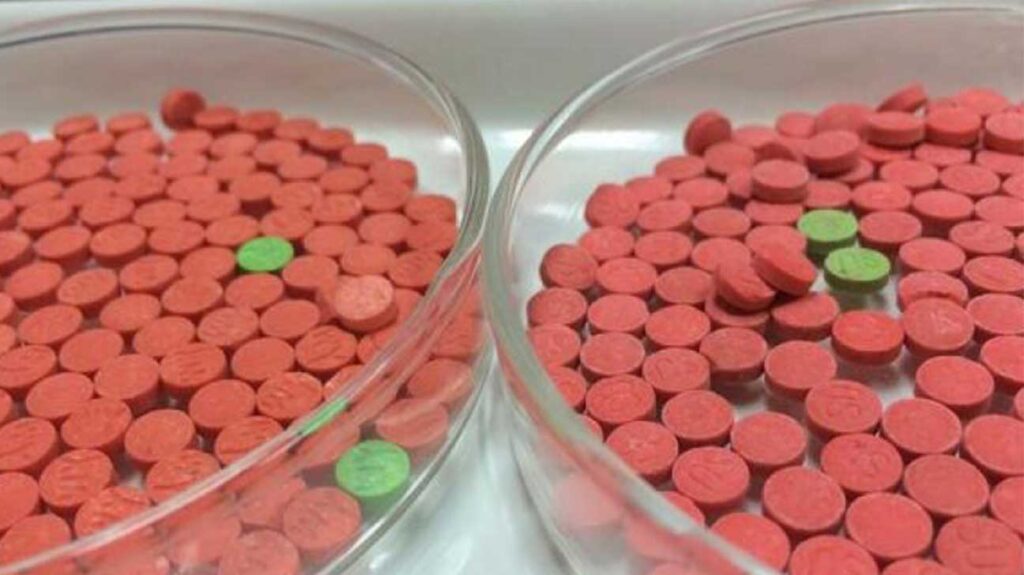
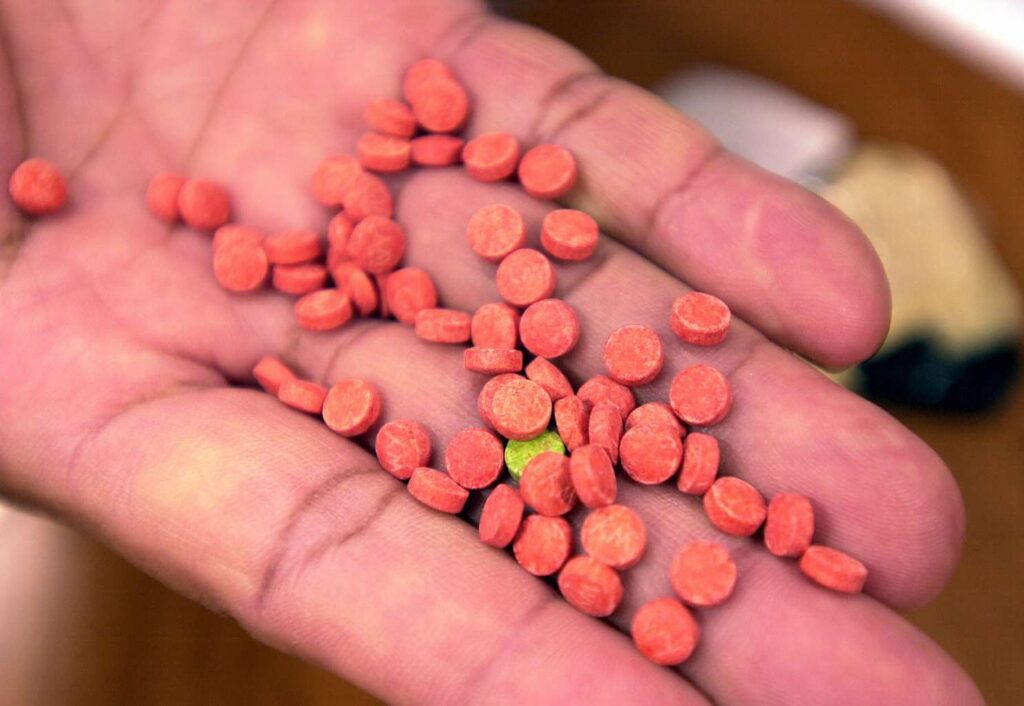
Yaba is sold as tablets. These tablets are generally no larger than a pencil eraser. They are brightly colored, usually reddish-orange or green. Yaba tablets typically bear one of a variety of logos; R and WY are common logos.
How is yaba used :
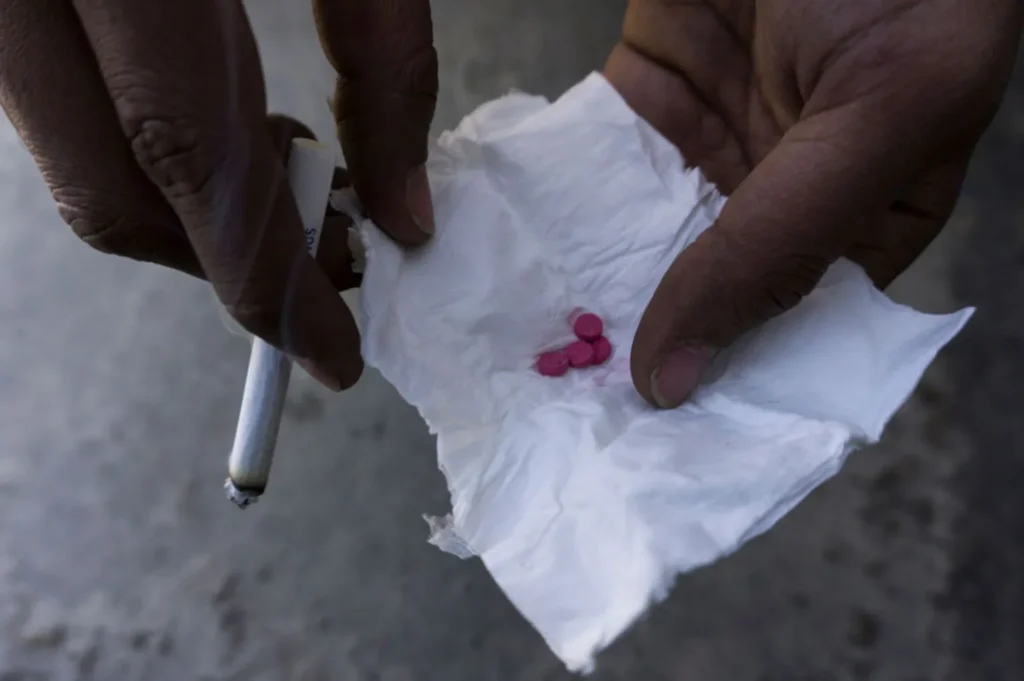
Yaba tablets typically are consumed orally. The tablets sometimes are flavored like candy (grape, orange, or vanilla). Another common method is called chasing the dragon. Users place the yaba tablet on aluminum foil and heat it from below. As the tablet melts, vapors rise and are inhaled. The drug also may be administered by crushing the tablets into powder, which is then snorted or mixed with a solvent and injected.

What are the risks ?
Individuals who use yaba face the same risks as users of other forms of methamphetamine: rapid heart rate, increased blood pressure, and damage to the small blood vessels in the brain that can lead to stroke.
Chronic use of the drug can result in inflammation of the heart lining. Overdoses can cause hyperthermia (elevated body temperature), convulsions, and death. Individuals who use yaba also may have episodes of violent behavior, paranoia, anxiety, confusion, and insomnia.
Although most users administer yaba orally, those who inject the drug expose themselves to additional risks, including contracting HIV (human immunodeficiency virus), hepatitis B and C, and other blood-borne viruses.
Yaba first appeared in Bangladesh in 2002 and its use, and abuse, has steadily risen since then. Manufactured illicitly in industrial quantities in Myanmar, it is smuggled into Bangladesh in the far south-east of the country, where the border partly follows the River Naf. Yaba, or ‘crazy medicine’ in Thai, is a tablet form of methamphetamine, and a very powerful stimulant. Introduced to East Asia during World War II to enhance soldiers’ performance, methamphetamine has become increasingly popular in East Asia, particularly among young people. Yaba is now the main form of methamphetamine abused in Thailand, Laos and Cambodia as well as Viet Nam and Myanmar, where it is typically manufactured.
Mixed with caffeine and usually 30 per cent methamphetamine, the drug is a central nervous system stimulant. Although it comes in a pill form, yaba is usually crushed and smoked. Users get an intense ‘burst’ of energy, followed by increased activity, decreased appetite and a general sense of well-being. Once the effects wear off, the user ‘crashes’ and experiences prolonged periods of sleep and depression.
Like other forms of methamphetamine, long-term abuse of yaba can produce strong dependence. Users develop tolerance and require increasing amounts of the drug to feel the same effects. Excessive doses can result in convulsions, seizures and death from respiratory failure, stroke or heart failure. The drug can trigger aggressive and violent behaviour, and psychiatric disorders have also been associated with its use.