RBI’s New Credit Rating Rules May Squeeze MSMEs, Hit Smaller Agencies
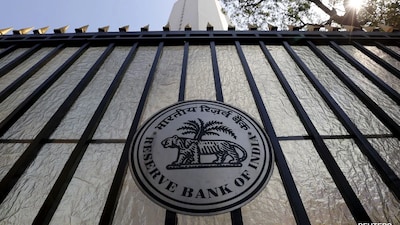
New Delhi ( Raghwendra Pratap Singh) : The Reserve Bank of India’s new framework for external credit assessment institutions could tighten credit access for micro, small and medium enterprises while increasing pressure on smaller credit rating agencies, according to industry experts.
The rules, effective April 1, 2027, introduce stricter capital requirements linked to borrower ratings and the historical default performance of rating agencies. Experts said the framework could push banks towards ratings issued by larger agencies such as CRISIL, ICRA and CARE Ratings, while making it harder for smaller agencies and lower-rated borrowers to access credit.
The framework also introduces a stricter approach towards borrowers classified as “Issuer Not Cooperating”, or INC, referring to companies that stop sharing financial information with rating agencies. Earlier, such ratings would lapse. Under the new rules, banks must assign higher risk weights to loans flagged as INC for more than six months, increasing borrowing costs for such companies.
The changes come as India aligns its banking regulations with the Basel III reforms finalised after the 2008 global financial crisis, which exposed weaknesses in how banks measured risk and how rating agencies assessed credit quality.
MSME Impact :
India has more than 63 million MSMEs, which contribute nearly 30% of gross domestic product and are the country’s second-largest source of employment after agriculture. Many rely on smaller rating agencies because they are too small or regional to attract larger agencies.
The RBI framework links bank capital requirements not only to borrower ratings but also to the historical default performance of rating agencies. The regulator will monitor each agency’s rolling one-year observed default rate. If defaults in a rating category breach a threshold, banks will need to hold more capital against loans rated by that agency.