India home to 191 species of cockroaches, 60% of them are endemic, says ZSI study
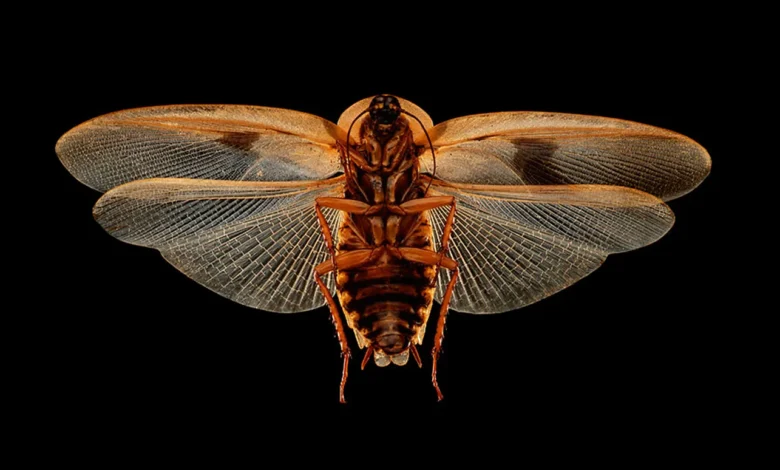
Dehradun ( Vivek Ojha) : India is home to 191 species of cockroaches and 119 of these species (more than 60% of the species) are endemic to India, a recent publication by the Zoological Survey of India (ZSI) highlighted. As per the study recently published in journal Zootaxa, scientists from ZSI and Prof Ramkrishna More College, have developed the first and largest DNA barcode reference library for the cockroaches of peninsular India.
Endemism is the ecological state where a species or taxonomic group is native to a single, highly defined geographic location. The publication titled DNA barcodes and species delimitation reveal overlooked diversity in Indian cockroaches (Blattodea), reveals that India’s hidden cockroach diversity is far greater than previously recognized.
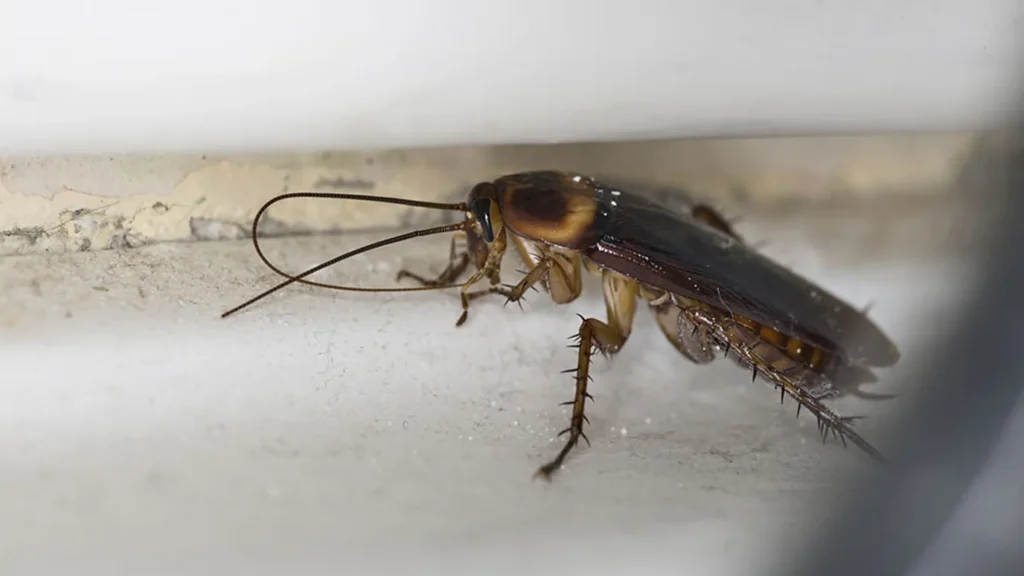
The paper points out that at present 191 extant species of cockroaches Blattodea have been documented in India, distributed across 74 genera, with 126 species having defined type localities within the country.
Notably, 119 of these species are endemic to India, yet less than 20% of this diversity is represented by genetic data in public databases. This substantial gap in molecular data limits the resolution of the systematics of Indian cockroaches and their representation in global phylogeny,” the paper says.
DNA barcoding functions like a supermarket scanner, utilizing short, standardized DNA sequences to achieve rapid and highly accurate species identification. There are about 5000 species of cockroaches found across the world and India represents approximately 3.8% of global diversity of cockroaches.
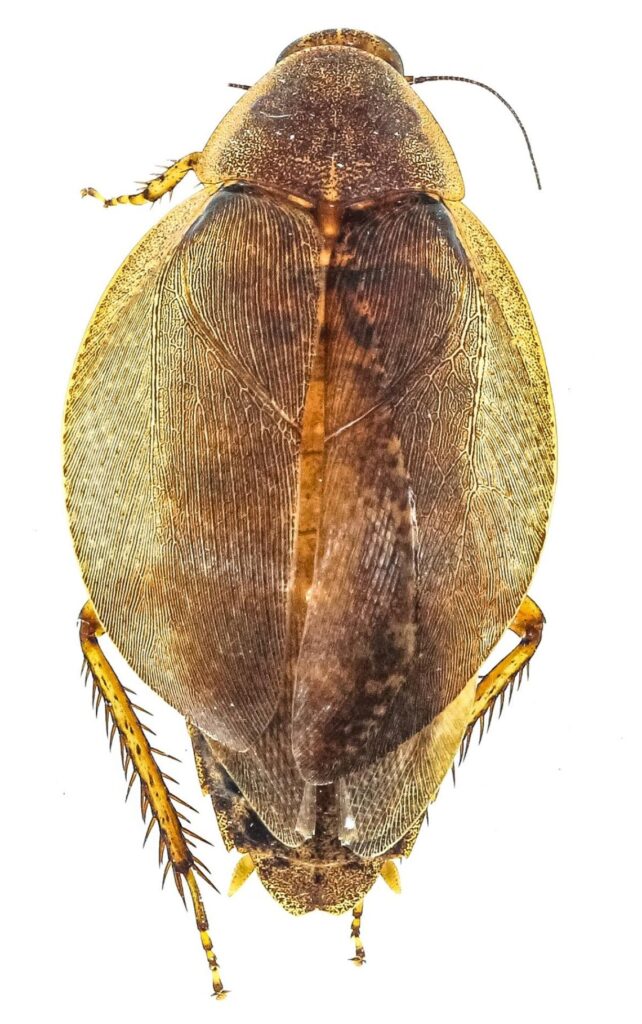
Cockroaches, belonging to the order Blattodea, represent one of the most successful groups of insects, with an evolutionary history spanning over 300 million years. These insects exhibit remarkable adaptability, thriving in a diverse range of habitats, from tropical rainforests to urban environments.
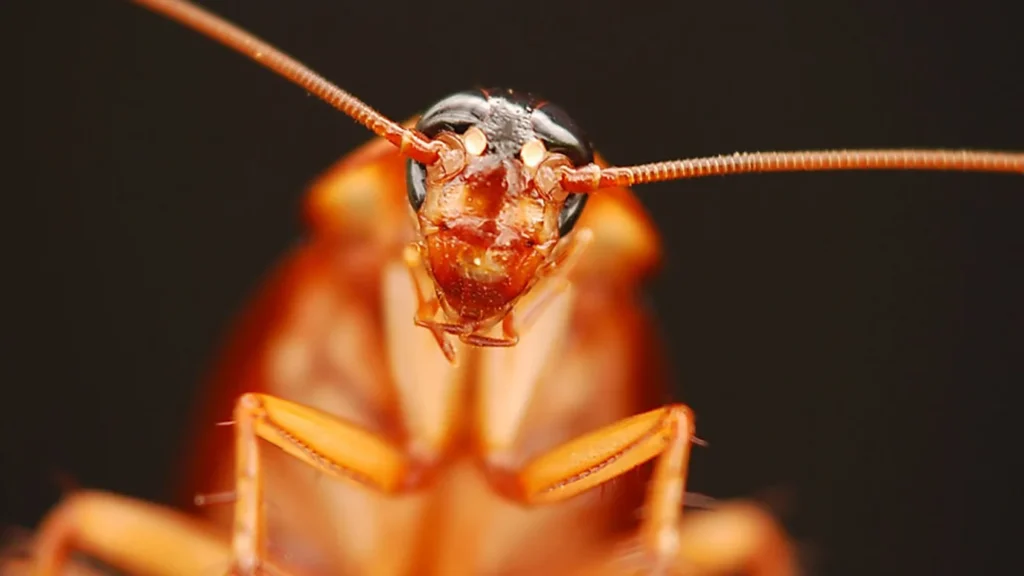
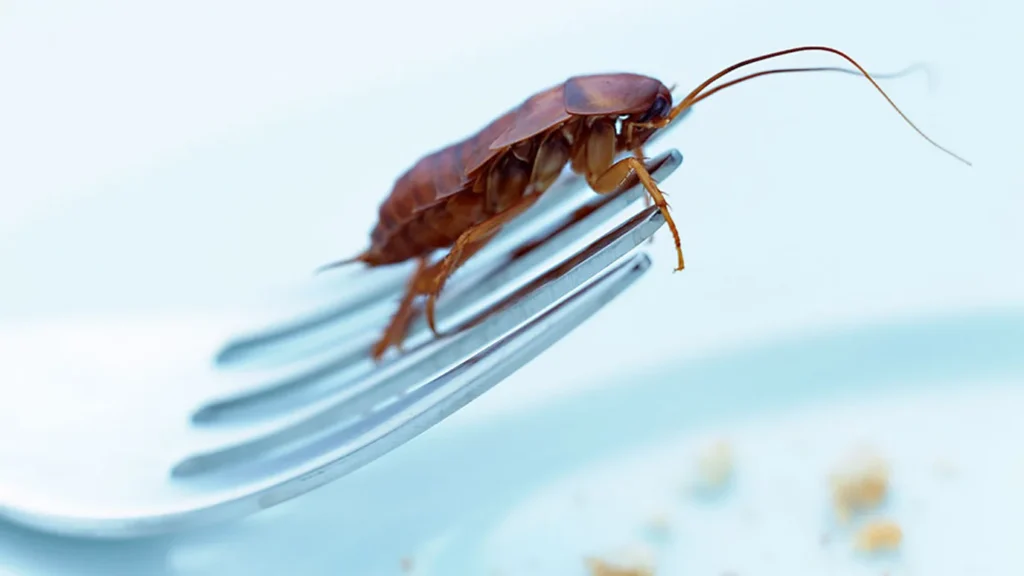
While the majority of cockroach species play an essential ecological role as decomposers, a select few species have gained notoriety as significant urban pests, posing substantial challenges to public health and environmental management. Species such as Periplaneta americana (American cockroach), Blattella germanica (German cockroach), and Blatta orientalis (Oriental cockroach) have successfully adapted to human-modified environments, exploiting food resources, shelter, and favorable microclimatic conditions provided by urban settings .