
Polygamy banned, registration of live-in relationships mandatory: Assam passes Uniform Civil Code Bill
New Delhi ( Raghwendra Pratap Singh) :
The Assam Assembly on Wednesday passed the Uniform Civil Code (UCC) Bill, making Assam the first state in the Northeast and the third in the country after Uttarakhand and Gujarat to move ahead with a state-level UCC framework.
The legislation seeks to standardise personal laws relating to marriage, divorce, inheritance and live-in relationships across communities, while exempting Scheduled Tribes from its ambit.
Among its key provisions, the proposed law bans polygamy, mandates compulsory registration of marriages and divorces, and makes registration of live-in relationships mandatory. It also provides for equal property rights for daughters and fixes the minimum legal marriage age at 21 years for men and 18 years for women.
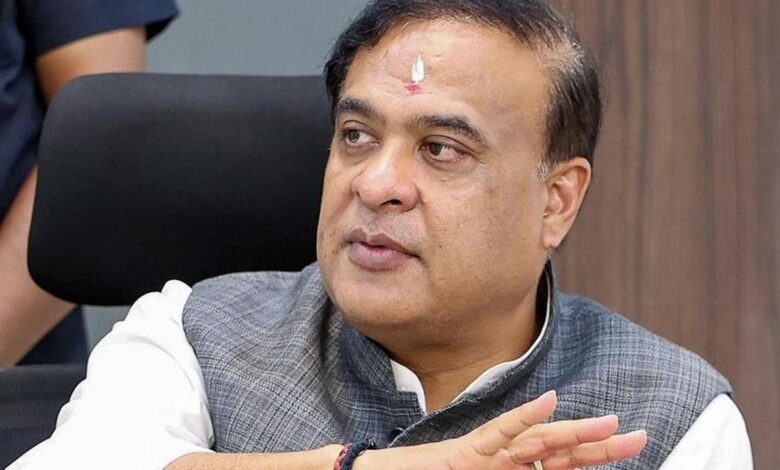
Defending the legislation in the Vidhan Sabha on Wednesday, Sarma said the UCC is not an import of the BJP or RSS but has been introduced basing it on Article 44 of the Constituion, which states, “The State shall endeavour to secure for the citizens a uniform civil code throughout the territory of India.”
Under the proposed law, bigamy and polygamy shall invite imprisonment up to seven years under Section 82 of the Bharatiya Nyaya Sanhita, 2023.The Assam UCC Bill, replacing various religion-based personal laws to ensure “absolute equality and gender justice”, excludes Scheduled Tribes from its purview.
The Chief Minister also defended the decision to exempt Scheduled Tribes from the proposed law, saying the government was committed to protecting tribal customs, traditions and community-specific practices. The exemption covers tribal communities residing in both hill and plain areas of Assam.
The Bill mandates monogamy and sets a standardised legal age of 21 years for grooms and 18 years for brides. “The legislation safeguards cultural diversity by granting full freedom of ritual, allowing marriages to be solemnised through any existing religious ceremony or custom, including Vedic Bibah, Ahom Chaklong, Saptapadi, Ashirvad, Nikah, Holy Union, Anand Karaj,” a government statement said.
The government said the Bill, if passed, would make registration of all marriages and divorces compulsory to prevent fraud. Couples must deliver a marriage memorandum to the Sub-Registrar within 60 days of the ceremony. The Bill codifies uniform grounds for divorce, such as cruelty, desertion, or mutual consent, and ensures the custody of under-five-year-olds with the mother.
The Bill creates a uniform, gender-equal order of preference for intestate inheritance among Class-1 heirs, which equitably includes the spouse, children, and parents of the deceased. For testamentary succession, any adult of sound mind is granted the legal right to execute a written, witnessed will.