Libya joins China’s payment system to reduce dependence on the US dollar
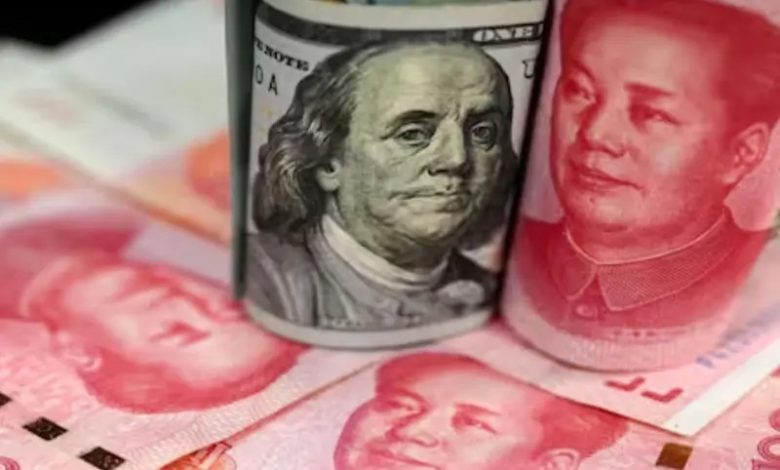
New Delhi ( The Indian View team) : In a big move, Libya has decided to connect Libyan commercial banks to China’s payment and settlement system. The Governor of the Central Bank of Libya, Naji Mohammed Issa and the Governor of the People’s Bank of China, Pan Gongsheng announced the step on Saturday (Jul 19).
The meeting between the two sides took place during Issa’s visit to Beijing, where he met Gongsheng on Friday. CIPS was launched by the People’s Bank of China in 2015 to facilitate international transfers using Chinese Yuan.
According to the statement published by the Libyan bank, the two sides reviewed the volume of trade between the two countries and discussed ways to strengthen it and increase its growth rate. “The importance of launching a new phase of genuine strategic partnership between the two central banks was discussed.
It was agreed to connect Libyan commercial banks to China’s Cross-Border Interbank Payment System, CIPS, which will simplify financial transfers and make them easier to conduct,” Issa said. Without naming the US, the statement added that the two sides agreed to address obstacles and facilitate trade procedures in a way that would further increase the volume of trade between the two countries.
According to reports, CIPS serves as an infrastructure that enables banks to send and receive yuan-denominated payments directly, reducing reliance on the US dollar by eliminating the need to process transactions through intermediary banks. According to statement, the two sides also agreed to allow letters of credit to be opened directly through Chinese banks.
They also agreed to arrange a visit to Beijing by an official Libyan banking delegation, headed by the governor of the Central Bank and accompanied by the directors of Libyan commercial banks, to meet their Chinese counterparts at the earliest possible opportunity. The statment also added that the planned visit would aim to establish cooperation between commercial banks in the two countries and to benefit from China’s experience in electronic payments and direct financial transfers.