Uttar Pradesh: IIT-BHU scientists develop lunar soil simulant
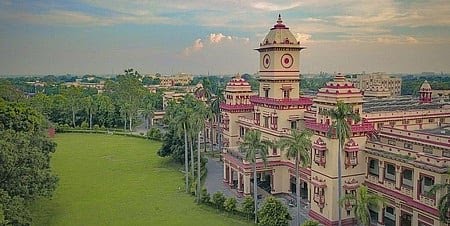
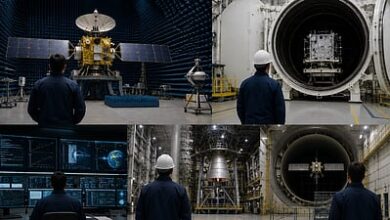
Varanasi (Abhishek Singh ) : Amid the ongoing deep lunar explorations of under country’s ambitious Moon Mission and long-duration human space missions, scientists at Indian Institute of Technology (IIT-BHU), have developed a lunar soil simulant closely resembling the composition of the Moon’s surface and initiated research on extracting metals from it for future space construction technologies.
The institute has also emerged one among the pioneering academic institutions in the country exploring the use of extracted materials for 3D printing-based fabrication of bricks, tiles and structural components that may eventually support extraterrestrial habitats.
The development aligns with country’s growing focus on advanced lunar technologies following the historic success of Chandrayaan-3 Mission and the country’s broader ambitions for future human space exploration missions.
The multidisciplinary project, being led by Prof Kamalesh Kumar Singh of the Department of Metallurgical Engineering and backed by Dr Ankush Kumar from Indian Space Research Organisation (ISRO), is focused on “In-Situ Resource Utilisation” (ISRU), a concept aimed at using materials available on the Moon itself for construction and manufacturing purposes instead of transporting heavy infrastructure from Earth.
According to IIT (BHU) director Prof Amit Patra, the research reflects India’s transition from space exploration to the development of sustainable space technologies.
India’s achievements in space science are now inspiring indigenous research aimed at enabling future lunar infrastructure and long-duration human presence beyond earth. Technologies that utilise locally available resources on the Moon will be critical for reducing mission costs and building sustainable extraterrestrial habitats. IIT (BHU) is committed to contributing to this national vision through interdisciplinary and futuristic research,” said Dr Patra.
Prof Kamalesh Kumar Singh, leading the research, said that the success of Chandrayaan-3 had generated global scientific interest in Moon’s south polar region, which is believed to contain water ice entrapped in lunar soil and several strategically important resources that could support future lunar missions.