Death anniversary of Showman of indian Cinema Raj Kapoor
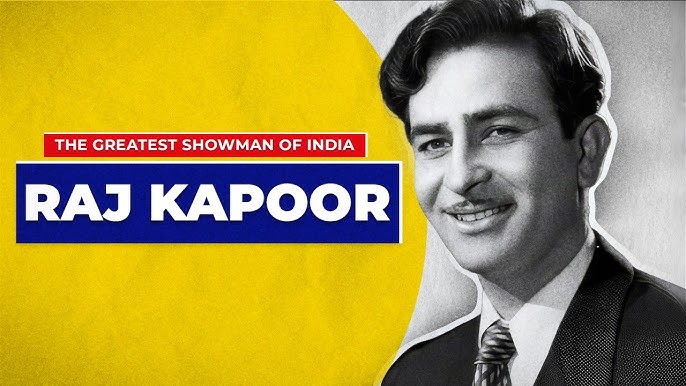
New Delhi ( Vivek Ojha) : Raj Kapoor (1924–1988) was an iconic Indian actor, director, and producer. Widely celebrated as the “Showman of Indian Cinema,” he pioneered a global reach for Bollywood. His cinematic masterpieces championing the struggles of the common man, romanticism, and Chaplinesque vulnerability remain celebrated for their visionary direction and immortal soundtracks.
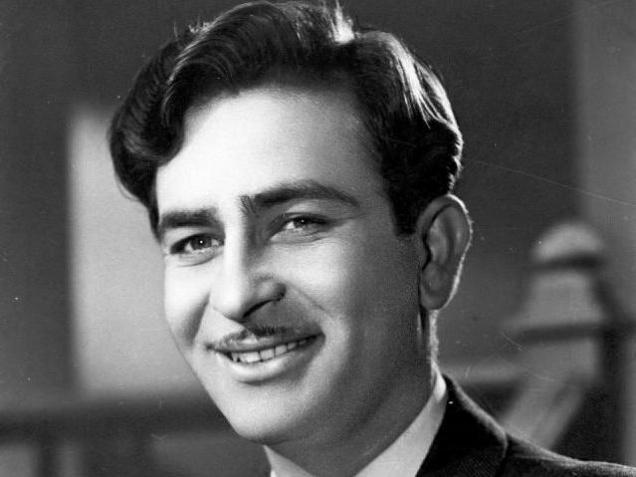
Born Ranbir Raj Kapoor in Peshawar, British India (now Pakistan), he hailed from a prominent theatrical family. He began his acting career early, making his debut as a child artist in Inquilab (1935).
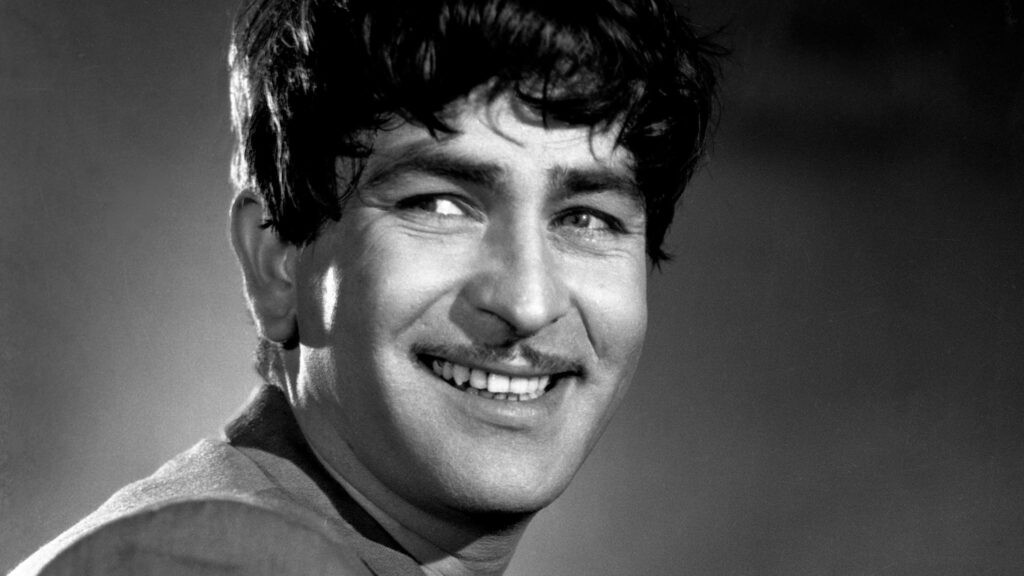
His major breakthrough arrived with the film Neel Kamal (1947), which paved the way for his rapid rise to stardom.A Legacy in Indian Cinema Raj Kapoor (1924-1988), a towering figure in Hindi cinema, remains an iconic actor, director, and producer. Born in Peshawar, the eldest son of Prithviraj Kapoor, he inherited a theatrical legacy and built upon it, becoming synonymous with a unique brand of romantic tragedy and social commentary.
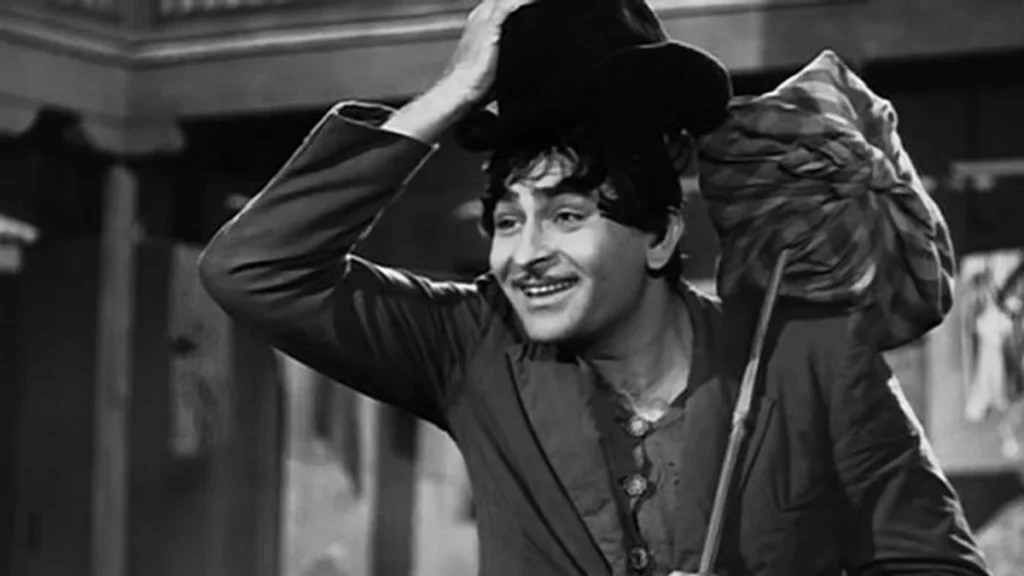
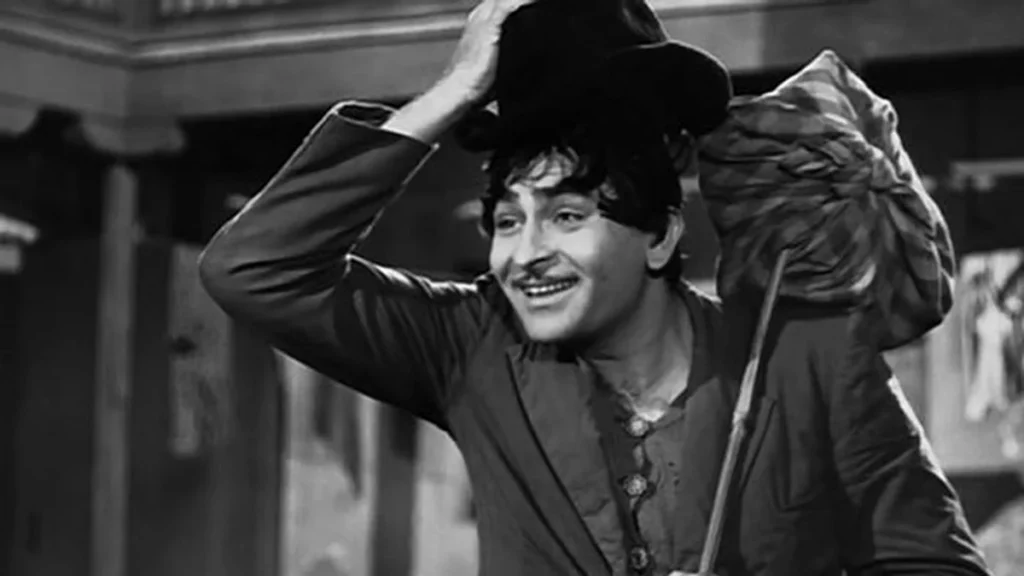
His career spanned decades, marked by roles that transcended mere performance; he embodied characters, often inspired by Charlie Chaplin’s Tramp, in films such as Awaara (1951) and Shree 420 (1955). Awaara’s impact was such that it was ranked among Time magazine’s “Top-Ten Greatest Performances of All Time in World Cinema” in 2005.

His directorial ventures often showcased poignant narratives exploring social inequalities and the human spirit, garnering significant global recognition. Awaara and Boot Polish (1954) even competed for the Palme d’Or at Cannes. His films enjoyed considerable commercial success across Asia, the Middle East, the Caribbean, Africa, and the Soviet Union.
Kapoor’s contributions were recognized with numerous accolades, including three National Film Awards and eleven Filmfare Awards. The Indian government honoured him with the Padma Bhushan in 1971, followed by the Dadasaheb Phalke Award in 1988, India’s highest cinematic honour. His legacy extends beyond individual achievements; he shaped the narrative landscape of Indian cinema, leaving an indelible mark on generations of filmmakers and actors.