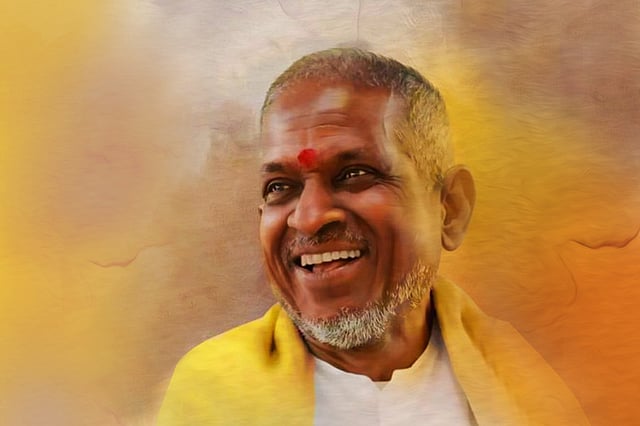
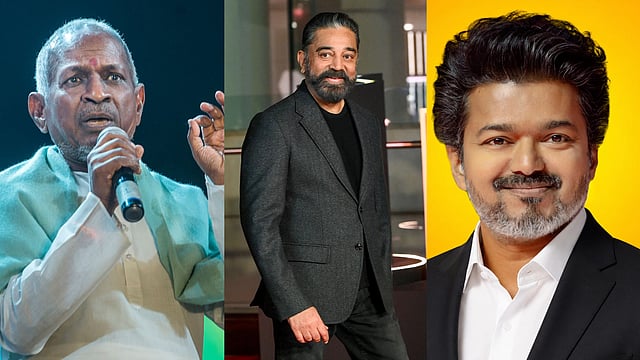
Ilaiyaraaja at 83: CM Vijay, Kamal Haasan, and more wish maestro on his birthday
New Delhi ( The Indian View team) :
Ilaiyaraaja (born R. Gnanathesigan, June 2, 1943) is an iconic Indian film composer, singer, songwriter, and instrumentalist who transformed South Indian cinema. Celebrated as “Isaignani” (the musical sage) and “Maestro,” his revolutionary work integrates traditional Indian folk music and Carnatic classical with Western symphonic arrangements. A composer for more than 1,000 films with a whopping 8,000 and more songs recorded in a career spanning four decades, Ilaiyaraaja is nothing short of a legend.
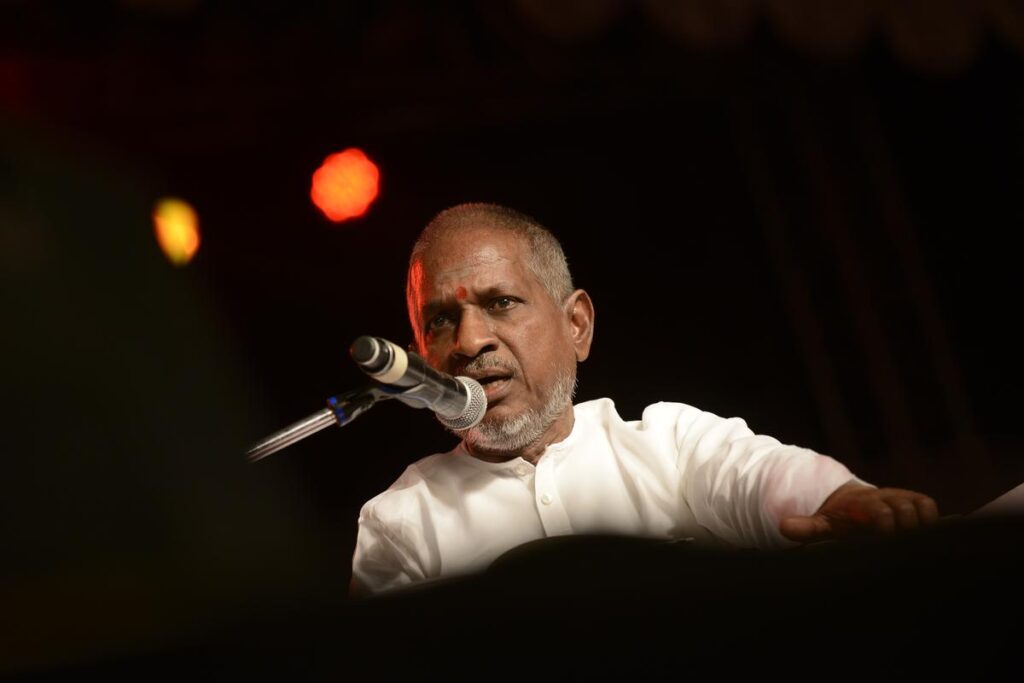
Born and brought up in an obscure village near Kambam in Southern Tamil Nadu, Ilayaraja became the first Asian to score a symphony for the London Philharmonic Orchestra, besides scoring over 1000 feature films in a period of 38 years. Raja, as he is popularly known and affectionately called, comes from a family of musicians. His mother, a huge repository of Tamil folk songs, seems to be a very strong influence in his music. He learned to play the harmonium, the typical musical instrument used in street performances. The team of the brothers, the eldest being Pavalar Varadharajan, a poet, worked as a group of musicians traveling across the state, accompanying theater artists. Raja picked up most of his acumen for audience tastes during this period.
In 1969, Raja migrated to the city of Madras, the Southern Movie capital, when he was 25 years old, looking for a break into music making for the public. He studied under Dhanraj Master, playing the guitar and piano in the Western style. Ilayaraja’s break into music for films came with Annakili in 1976. The film dealt with a village story, to which Ilayaraja composed great melodies. The songs offered simplicity and musicality typical of Tamil folk in an authentic way, and they offered new sounds–rich orchestration typical of Western music. The songs became an instant hit, the most popular being “Machchana Partheengala” sung by a female voice, S. Janaki. This was followed by a series of films that portrayed contemporary Tamil villages in an authentic way, against stylistic shallow portrayals before. For all of these films Raja created memorable songs. Most popular were the songs “Senthoorappove” and “Aatukkutti Mutaiyittu” from Pathinaru Vayathinile (1977), and “Samakkozhi” and “Oram Po” from Ponnu Oorukku Pudhusu (1979).
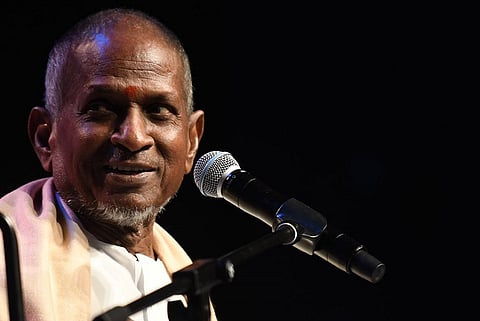
Ilaiyaraaja was in many ways a trendsetter. His entry into films in the late 1970s was an era of new ideas in Tamil cinema, a period which saw the breaking up of star system associated with the ageing stars, MG Ramachandran and Sivaji Ganesan. Dravidian cinema almost reached the level of saturation with its intent to homogenise culture and taste. However, the period between 1976 and 1985 ushered in a new wave with ‘partly realistic and anti-sentimental stories’. Ilaiyaraaja as a creator not only exemplified this era but stood as a catalyst bringing in phenomenal changes and one such big change was neo-nativism and representation of authentic rural lives.
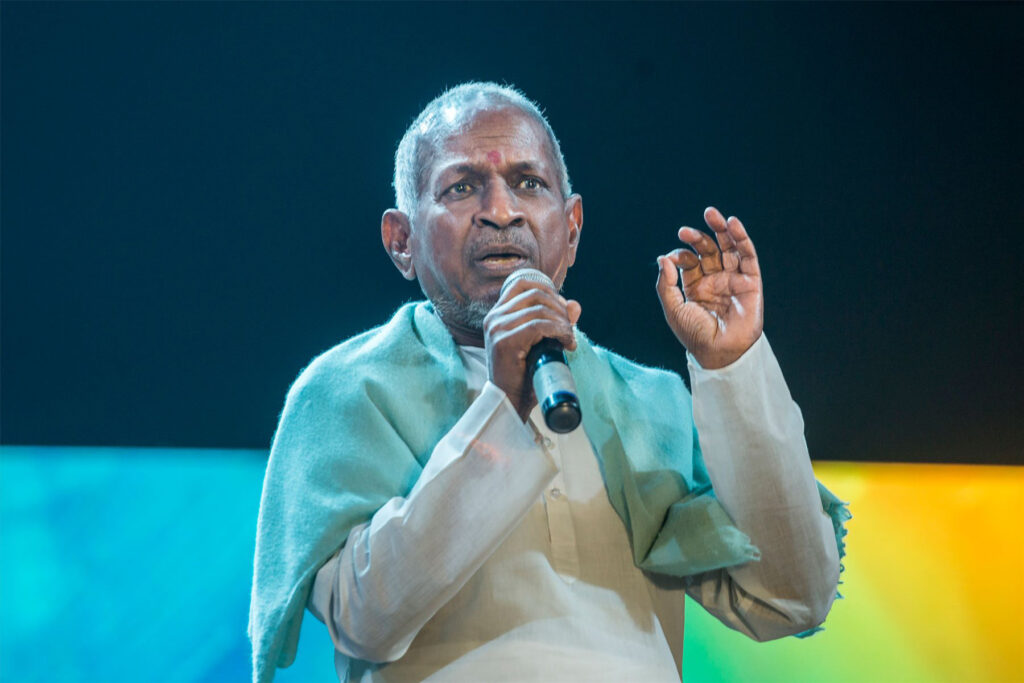
Raja soon proved his abilities in other styles as well. classical Karnatic melodies were used in Kannan Oru Kai Kuzhandhai (1978) (Rag Mohanam), Mayile Mayile (Ragam Hamsadhwani), and Chinna Kannan Azhaikiran (Reethi Gowlai). Raja’s grasp of Western classical structure became evident with his masterful use of the piano, guitar, and string ensembles. Some of the numbers that show his orchestral genius are “Pon malai Pozhudu” and “Poongadhave” from Nizhalgal (1980), Kanmaniye Kadhal from Aarilirindhu Aruvathu Varai (1979), “Ramanin Mohanam” from Netri Kann (1981), “En Iniya Pon nilave from Moodu Pani (1980), “Paruvame Pudhiya” from Nenjathai Killathe (1980), and “Edho Moham” from Kozhi Koovuthu (1982).
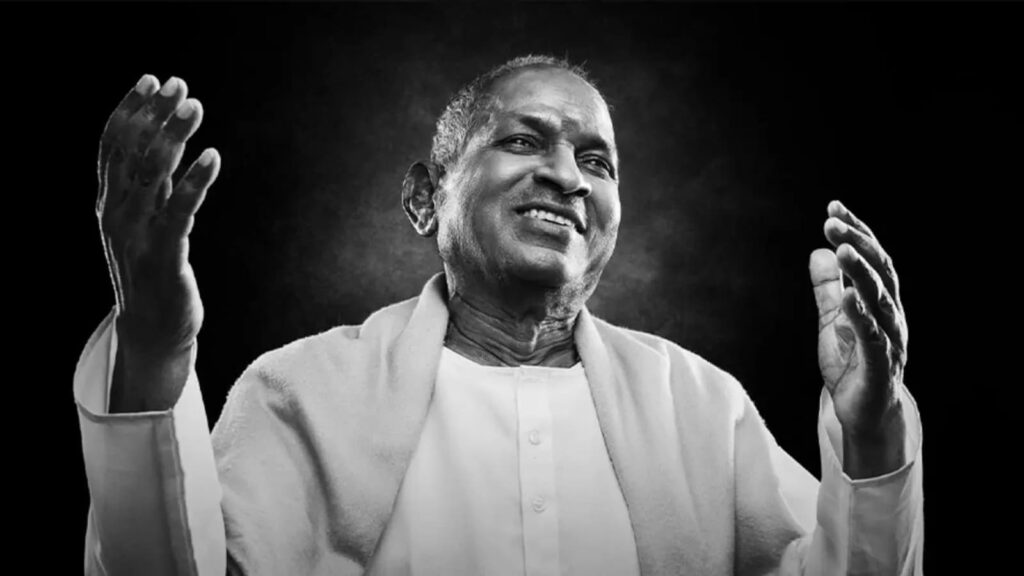
These songs could literally be heard coming from every doorstep in Tamil Nadu state every day for at least a year after being released. Raja composed film music prolifically for the next fifteen years, at a rate of as many as three new songs a day. After a few years as a film composer, he could write all the parts to a score as they came to him, and his assistants would make fair copies, which would be recorded immediately.
Ilayaraja also recorded non-film albums, such as “How to Name It” and “Nothing But Wind,” which were well-received in India and abroad. In 1993, he wrote a symphony for the London Philharmonic Orchestra in an amazing one-month span. To many people who know him, Raja represents more than his music. He is usually referred to by the title Isaignani (English: Musical Genius), or as The Maestro. ilaiyaraaja is a gold medalist in classical guitar from Trinity College of Music, London. He is a mark of great achievement that is possible by hard work, yet he is seen in most of his interviews as talking very philosophically. He is very much attracted by the philosophy of Ramana Maharishi of Thiruvanna Malai, who lived in the early 20th Century. Raja once referred to Ramana as “our Zen master.”