How India’s first IAS officer Satyendranath Tagore broke barriers under British rule ( Birth anniversary)
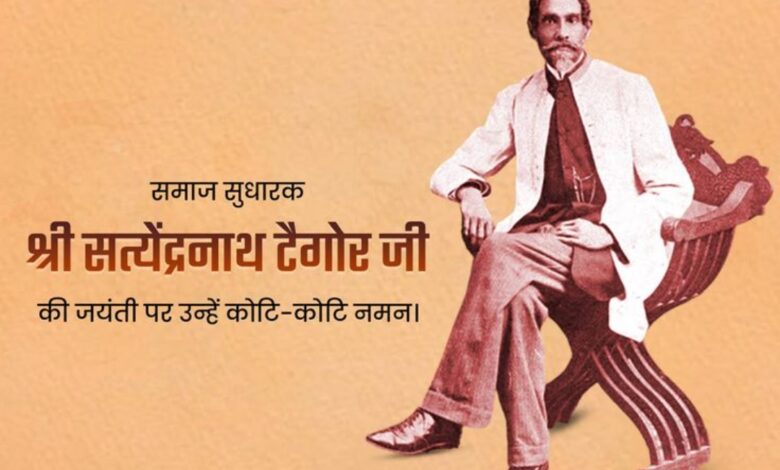
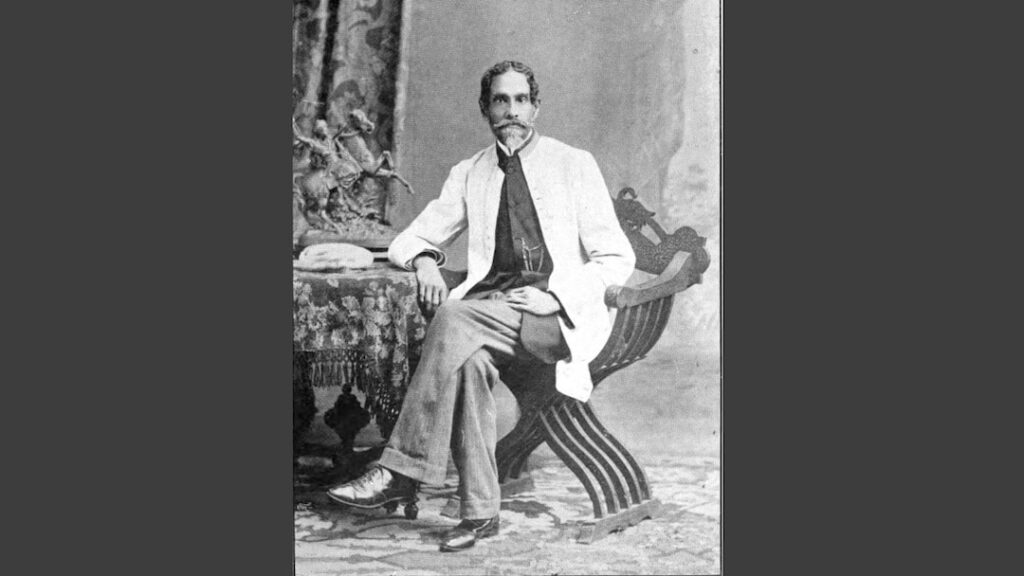
New Delhi ( Vivek Ojha ) : When Satyendranath Tagore cleared the Indian Civil Service (ICS) exam in 1863, he wasn’t just breaking barriers—he was smashing them. He became India’s first IAS officer in 1863. He broke barriers under British rule and left a legacy as a reformer, writer, and cultural pioneer.
Born in Kolkata on June 1, 1842, during a time when the British firmly held the reins of India, Rabindranath Tagore’s elder brother achieved what was then considered nearly impossible. First IAS Officer of India Satyendranath Tagore was born on 1 June 1842 in Calcutta, India. He was the eldest son of Maharishi Debendranath Tagore and Sarada Devi. Born into the illustrious Tagore family, this elder brother of Rabindranath Tagore, like others in the family was exposed to liberal, multicultural and progressive thoughts early on. Growing up in an environment of reformist zeal and intellectual vigor, Satyendranath Tagore was deeply influenced by the progressive ideals of the Brahmo Samaj, which emphasized monotheism, social reform through education, Women empowerment and advocated against caste system.
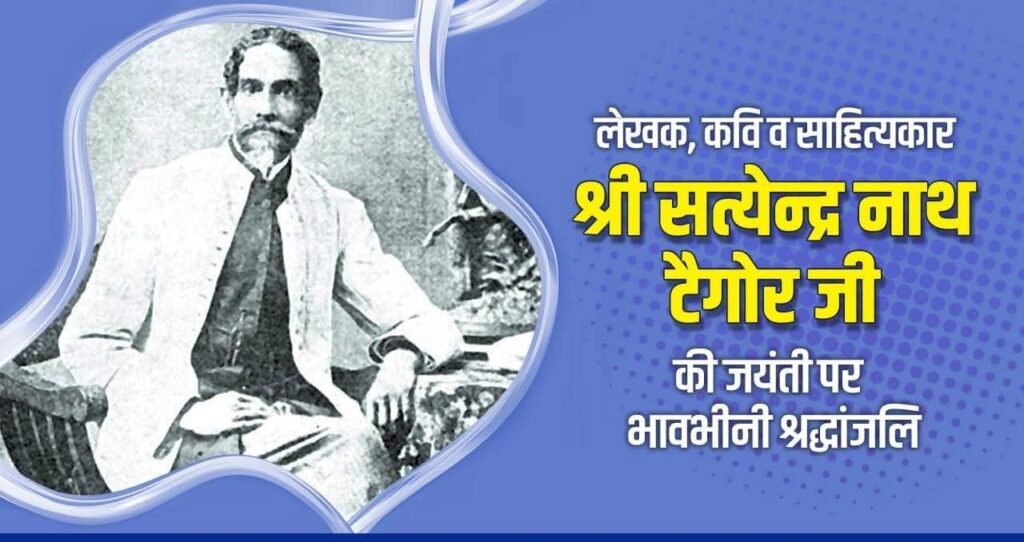
At just 21 years old, he travelled to London to sit for the ICS exam—an arduous process designed to favour British candidates. Yet, he succeeded. Not only did Satyendranath secure a place in the ICS, but he also paved the way for other Indians to dream of serving their own country within its governance framework. He returned to India in 1864 and was posted in the Bombay Presidency, working tirelessly across regions like Satara, Ahmedabad, and Pune.
His progressive outlook extended to social reform. Satyendranath was an active member of the Brahmo Samaj, a reformist movement that sought to eliminate caste discrimination and promote women’s empowerment.
One of his notable achievements was translating his father’s memoir, The Autobiography of Maharshi Devendranath Tagore, from Bengali to English, making the spiritual and philosophical insights accessible to a broader audience.
His book Bouddha Dharma explored Buddhist philosophy, reflecting his deep engagement with diverse religious thoughts. He encouraged women in his family to step outside societal boundaries. His wife, Jnanadanandini Devi, famously adopted the Parsi-style sari and became a trendsetter for modern Bengali women.
Satyendranath Tagore’s contributions to India were profound. He was more than the first Indian to join the ICS—he was a pioneer in breaking colonial barriers, a visionary reformer, and a cultural ambassador.